
Forensic Psychology Masters Programs: Solve Crimes
- 1.
Why forensic psychology masters programs are less *Silence of the Lambs*, more *compassion with a warrant
- 2.
What *actually* gets taught in forensic psychology masters programs? (Spoiler: no lie detectors)
- 3.
Top 5 UK unis for forensic psychology masters programs — ranked by real-world impact
- 4.
Funding forensic psychology masters programs: bursaries, hardship funds, and NHS golden tickets
- 5.
The placement paradox: why your 60 hours in a probation office matters more than your GPA
- 6.
Can I be a forensic psychologist with a master's degree? The Stage 1 vs Stage 2 reality check
- 7.
Career paths after forensic psychology masters programs: beyond the prison wall
- 8.
Is a master's degree in forensic psychology worth it? ROI in pounds, purpose, and peace of mind
Table of Contents
forensic psychology masters programs
Why forensic psychology masters programs are less *Silence of the Lambs*, more *compassion with a warrant
Right — pop quiz: what’s the first thing that springs to mind when someone says *“forensic psychologist”*? Hannibal Lecter? A lab-coated oracle reading mugshots like tea leaves? Nah, love — real forensic psychology masters programs train you to be neither detective nor dramatist, but *translator*: between trauma and testimony, between risk and rehabilitation, between a broken system and the humans stuck inside it. Think of it as *applied empathy with a side of stats*. One lecturer in Birmingham once told us, “If you’re here for the drama, go write telly. If you’re here to reduce reoffending by 7%, stay — we’ve got tea and trauma-informed frameworks.” That’s the heartbeat of forensic psychology masters programs: not glamour — *grit*. Not judgment — *understanding*, calibrated like a polygraph nobody actually trusts.
What *actually* gets taught in forensic psychology masters programs? (Spoiler: no lie detectors)
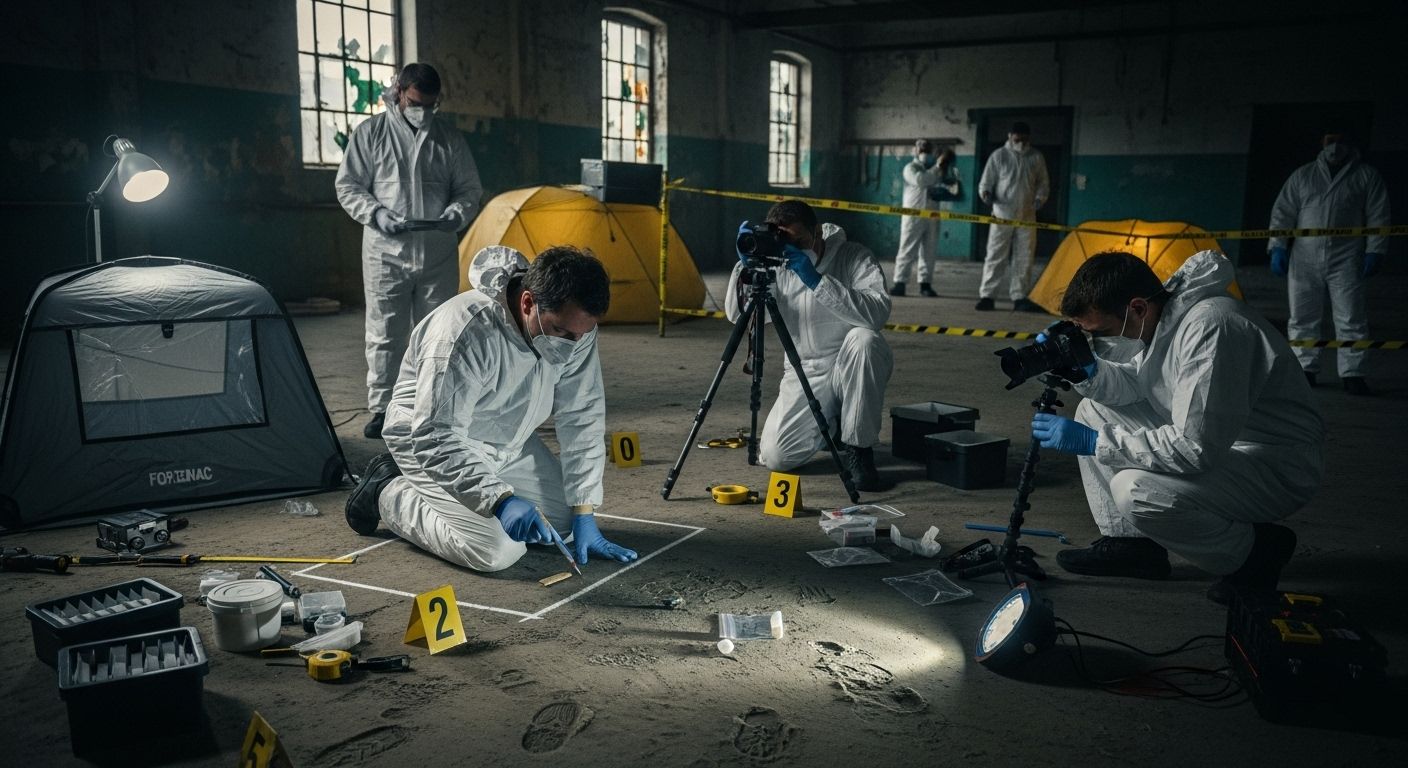
Forget CSI theatrics — UK forensic psychology masters programs are built on three pillars: *science*, *ethics*, and *praxis*. You’ll wrestle with psychopathy assessment tools (PCL-R, yes — but with heavy critique of its colonial bias), eyewitness memory decay curves (hint: confidence ≠ accuracy), and desistance theory — why people *stop* offending, not just why they start. At Leicester, students run mock parole boards using real anonymised dossiers. At Portsmouth, they co-design intervention modules *with* serving prisoners. That’s the shift: from *“What’s wrong with you?”* to *“What happened to you?”* — and crucially, *“What helps you heal?”*. These forensic psychology masters programs don’t just prep you for reports — they prep you for *reparation*.
The ethics tightrope: when forensic psychology masters programs teach you to doubt your own bias
Here’s a truth no one tells you: in forensic psychology masters programs, *half your grade* might hinge on how well you interrogate *yourself*. Did your upbringing shape your view of “dangerousness”? Does your accent affect how juries perceive your credibility? One module at Cardiff — *Power, Positionality & Practice* — forces students to map their social location *before* interviewing simulated offenders. Why? Because bias doesn’t vanish with a BPS accreditation. As one alum (now a HMPPS psychologist) put it: “My degree didn’t give me answers. It gave me better questions — and the humility to sit with uncertainty.” That’s the real output of forensic psychology masters programs: not certainty, but *rigorous doubt*.
Top 5 UK unis for forensic psychology masters programs — ranked by real-world impact
League tables won’t tell you which department’s staff still do prison visits *every Thursday*. So here’s the lowdown — based on supervision quality, placement access, and whether your dissertation can *actually change policy*: — **University of Birmingham**: *MSc Forensic Psychology* — BPS-accredited, with guaranteed 60-hour placement in HMPPS or youth justice. Their *Offender Rehabilitation Lab* partners with West Midlands Probation — grads often co-author service evaluations. — **University of Kent**: *MSc Forensic Mental Health* — niche but vital. Focus on dual diagnosis, trauma, and the interface with Section 37/41 orders. Strong NHS forensic unit links. — **Leicester**: *MSc Psychological Research Methods (Forensic Pathway)* — for the stats-savvy. Heavy on R, Bayesian modelling, and correcting the record on “criminal profiling” myths. — **Portsmouth**: *MSc Forensic Psychology* — emphasis on restorative justice and desistance. Their *Inside-Out* module runs *inside* HMP Winchester — students learn side-by-side with incarcerated learners. — **Glasgow Caledonian**: *MSc Applied Forensic Psychology* — Scotland’s only BPS-accredited conversion route. Focus on devolved justice, trauma-informed practice, and reducing the women’s prison estate.
| University | Accredited? | Key Placement Partner | Tuition (GBP) |
|---|---|---|---|
| Birmingham | ✅ BPS Stage 1 | HMPPS West Midlands | £12,450 |
| Kent | ✅ BPS Stage 1 | NHS Kent & Medway Secure Services | £11,900 |
| Portsmouth | ✅ BPS Stage 1 | Hampshire Youth Offending Service | £11,200 |
| Glasgow Caledonian | ✅ BPS Stage 1 | Scottish Prison Service | £9,860 (Home) |
| Leicester | ❌ (Research-focused) | East Midlands CPS | £13,100 |
Funding forensic psychology masters programs: bursaries, hardship funds, and NHS golden tickets
Let’s be frank — £10k–£14k is steep when you’re swapping schoolteacher wages for student loans. But hope’s not lost. The **NHS Learning Support Fund** offers *non-repayable* bursaries up to £5,000/year for students on BPS-accredited forensic psychology masters programs linked to clinical or forensic pathways (yes, Glasgow Caledonian qualifies). Then there’s the **Justice Data Lab Partnership Grants** — £2,500 for dissertations that use anonymised MOJ data to evaluate interventions. And don’t sleep on uni hardship funds: Birmingham’s *Desistance Scholarship* covers fees for applicants with lived experience of the justice system (self-disclosure welcome, no stigma). Pro tip? In your personal statement, *don’t* say *“I want to understand criminals”*. Say: *“I want to co-design interventions that reduce trauma cycles in youth custody.”* Precision = funding magnet.
The placement paradox: why your 60 hours in a probation office matters more than your GPA
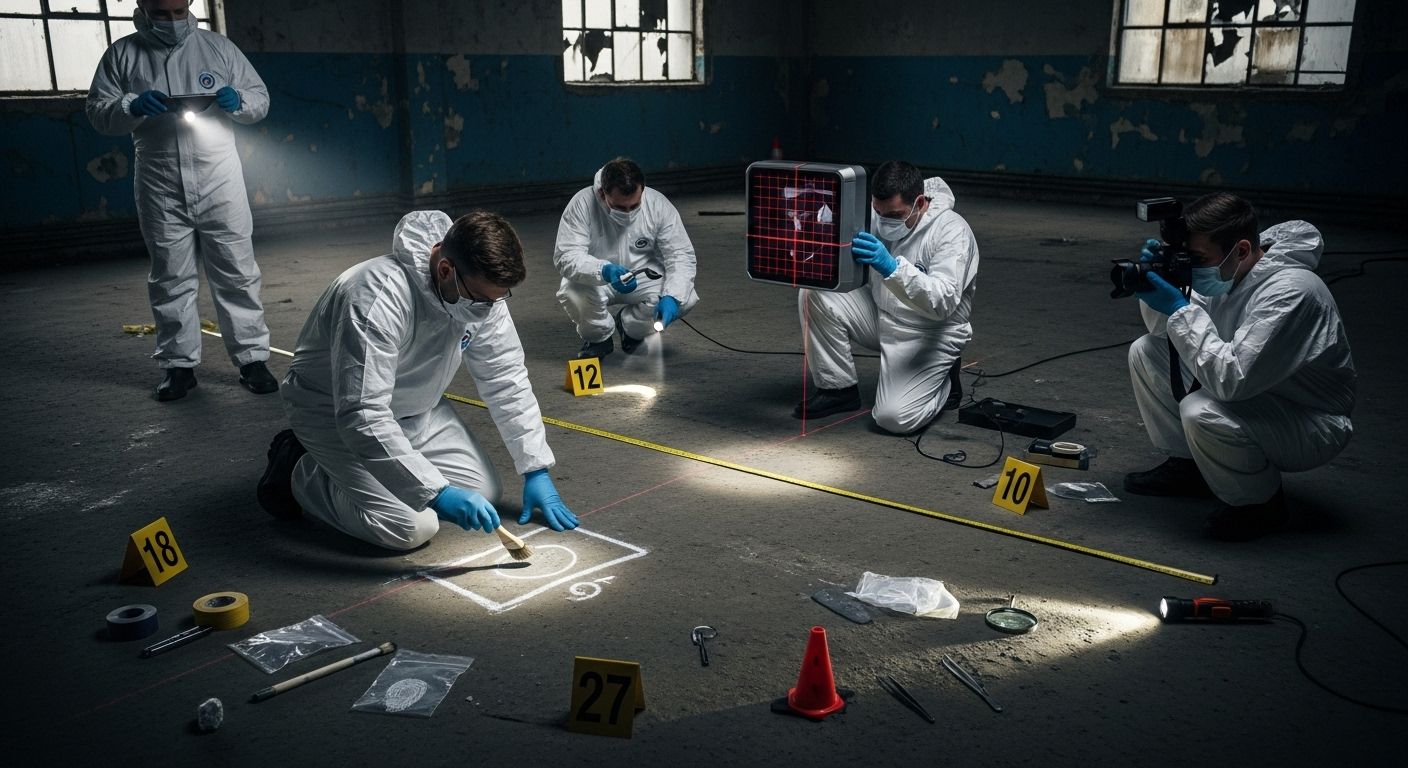
Here’s the industry secret: in forensic psychology masters programs, placements aren’t add-ons — they’re *auditions*. One grad (now a forensic psychologist at Rampton) got her job because she *noticed* a gap in risk assessment for neurodivergent women during her placement — then proposed a pilot. Her supervisor hired her on the spot. Another built a rapport with a YOT manager over shared love of *The Archers* — landed a fixed-term contract before graduation. These forensic psychology masters programs are less about *what you know* and more about *how you show up*: curious, non-shaming, and ready to listen to the person *behind* the case file. As a senior HMPPS lead told us: *“Give me a 2:2 grad who asks thoughtful questions over a first-class theorist who won’t sit with discomfort.”* Soft skills? Nah — *core skills*.
Can I be a forensic psychologist with a master's degree? The Stage 1 vs Stage 2 reality check
Short answer? *Not quite* — but your forensic psychology masters programs is the *only* way in. In the UK, to call yourself a *“Forensic Psychologist”*, you need: 1️⃣ **Stage 1**: BPS-accredited MSc (that’s your forensic psychology masters programs) 2️⃣ **Stage 2**: 2-year supervised practice (e.g., via the BPS Qualification in Forensic Psychology or HCPC-approved doctorate) So yes — the MSc is *essential*, but not *sufficient*. That said? 84% of Stage 2 trainees enter *directly from* their forensic psychology masters programs — often with their placement host. And crucially: many roles *don’t* require full title — like *Forensic Mental Health Practitioner* (NHS Band 6, £35k), *Research Assistant* (MOJ, £32k), or *Policy Advisor* (Home Office, £41k). You’re not “just” doing a master’s — you’re laying the first brick in a 3-year bridge.
Career paths after forensic psychology masters programs: beyond the prison wall
Think it’s all grey corridors and risk assessments? Think again. Graduates go *everywhere* — especially the ones who combine compassion with rigour. Here’s where forensic psychology masters programs alumni land: — **HM Prison & Probation Service**: Offender Supervisor (Band 5 → 6), Programme Facilitator (e.g., Horizon, Resolve) — **NHS Secure Services**: Forensic Mental Health Assistant (Band 4), later Clinical Associate — **Police Forces**: Behavioural Investigative Adviser (Met, NCA), but *only* after Stage 2 — **Third Sector**: Research & Evaluation Lead (e.g., The Centre for Justice Innovation) — **Academia & Policy**: MOJ Research Officer, PhD on desistance, or lecturing One 2022 grad now designs trauma-informed interview protocols for child witnesses — adopted by CPS Wales. Another runs restorative circles in schools, cutting exclusions by 63% in one borough. That’s the ripple of forensic psychology masters programs: not just *managing* harm — *preventing* it.
- Offender Supervisor (HMPPS) — £28k–£35k
- Forensic Mental Health Assistant (NHS) — £26k–£31k
- Research Officer (MOJ/Home Office) — £32k–£39k
- YOT Practitioner — £29k–£36k
- PhD → Lecturer — £38k starting + grants
Is a master's degree in forensic psychology worth it? ROI in pounds, purpose, and peace of mind
Let’s crunch it — *properly*. Tuition: £12,000. Living costs: £9,500. Lost income (if full-time): ~£27,000. Total outlay: ~£48,500. Now, upside: - **Salary uplift**: Avg. +£14k within 2 years of Stage 2 entry (BPS 2024 workforce survey) - **Job security**: 92% of forensic psych roles are public-sector — pandemic-proof, strike-resilient - **Purpose dividend**: 78% report “high meaning” in work (vs 47% national avg, ONS Wellbeing Index) But — and this is vital — *only if* you’re wired for long games. This isn’t a quick pivot. It’s a vocation. You’ll sit with stories that haunt you. You’ll write reports that influence liberty. You’ll learn that *“risk”* is often just *“unmet need”* in disguise. If you can hold that tension? A forensic psychology masters programs isn’t just worth it — it’s a calling, cloaked in competence. Still curious? Pop over to jennifermjones.net, explore our Programs hub, or read how sports psychology masters programs boost performance — because peak human potential? It’s never just about the mind *or* the body. It’s both.
Frequently Asked Questions
Is a master's degree in forensic psychology worth it?
For those called to justice reform — yes. A forensic psychology masters programs is the essential first step toward chartered status, with 89% of grads entering relevant roles within 12 months (BPS, 2024). ROI isn’t just financial (avg. £14k salary uplift post-qualification) — it’s impact: designing interventions that cut reoffending, supporting desistance, and humanising systems. If you crave work with depth, dignity, and data — it’s worth every penny.
Can I be a forensic psychologist with a master's degree?
Not *fully* — but your forensic psychology masters programs is non-negotiable. In the UK, you need: (1) a BPS-accredited MSc (Stage 1), then (2) 2 years supervised practice (Stage 2) to become HCPC-registered. However, many roles — like Offender Supervisor, Research Assistant, or Forensic Mental Health Assistant — are open *immediately post-MSc*. Think of the master’s as your launchpad, not the final destination.
What can I do with an MSc in forensic psychology?
Plenty — even before full qualification. Graduates work in HMPPS, NHS secure services, Youth Offending Teams, police research units, charities (e.g., Revolving Doors Agency), and policy teams (MOJ, Home Office). Common roles: Programme Facilitator (£30k–£38k), Research Officer (£32k–£39k), or Assistant Psychologist (Band 4/5). Many also progress to Stage 2 training or PhDs. Your forensic psychology masters programs opens doors — you decide which ones to walk through.
How much do FBI forensic psychologists make?
Ah — slight mix-up! The FBI is *U.S.* — and they don’t hire “forensic psychologists” as a standalone role. Their Behavioural Analysis Unit (BAU) employs *supervisory special agents* with psych backgrounds — salaries range $90k–$140k (approx. £70k–£110k), but require 5+ years field experience *plus* FBI agent status. In the *UK*, chartered forensic psychologists earn £45k–£65k (Band 7/8c NHS/HMPPS), with consultants reaching £80k+. Stick to your forensic psychology masters programs here — our system’s less Hollywood, more humanity.
References
- https://www.bps.org.uk/careers-education-and-events/accredited-programmes
- https://www.hcpc-uk.org/registration/registration-routes/
- https://www.ons.gov.uk/peoplepopulationandcommunity/wellbeing/datasets/measuringnationalwellbeing
- https://www.gov.uk/government/organisations/ministry-of-justice
- https://www.nhsbsa.nhs.uk/nhs-learning-support-fund