Sports Psychology Masters Programs: Boost Performance
- 1.
Ever Tried Calming a Premier League Midfielder Mid-Tantrum? That’s Where sports psychology masters programs Come In
- 2.
What’s Actually in the Kit Bag? Inside sports psychology masters programs
- 3.
The 4 C’s of sports psychology masters programs? No, Love—It’s Not “Crisps, Chunder, Cold Showers, and CBT”
- 4.
Salary Pitch: What’s the ROI on sports psychology masters programs?
- 5.
Top 5 UK MScs Where Theory Meets the Touchline
- 6.
Online vs On-Pitch: Can You Teach “Flow State” Over Zoom?
- 7.
Research? But I Just Want to Help Athletes!
- 8.
The Certification Maze: BPS, HCPC, BASES—Do I Need ’Em All?
- 9.
Do I *Really* Need a Master’s? Can’t I Just “Be Good With People”?
- 10.
Your Next Half-Time Team Talk—With Yourself
Table of Contents
sports psychology masters programs
Ever Tried Calming a Premier League Midfielder Mid-Tantrum? That’s Where sports psychology masters programs Come In
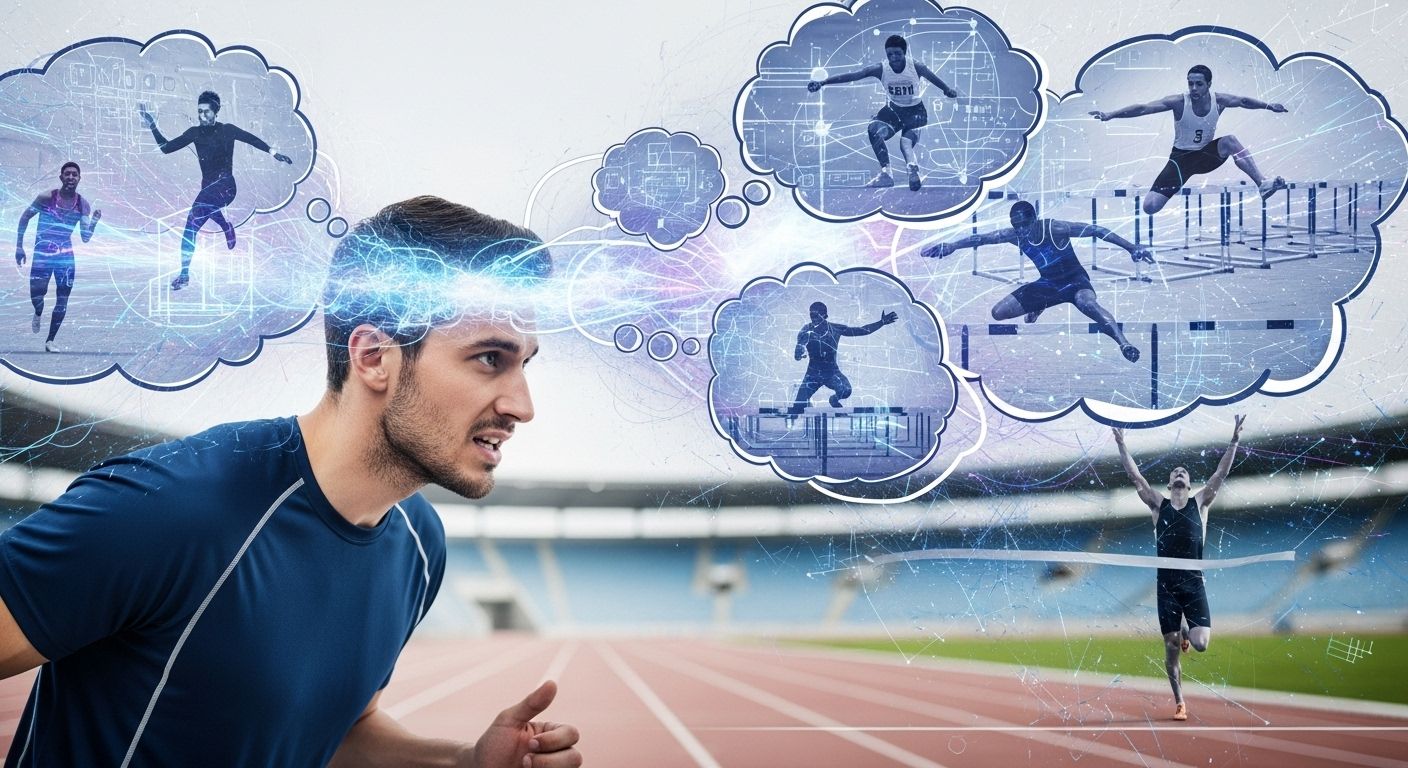
Picture this: it’s the 89th minute. Score’s 1–1. Your star striker’s just missed a sitter, stomped off the pitch muttering something *very* rude about the ref’s ancestry—and now he’s glaring at the bench like it owes him ten quid and a Mars Bar. Who you gonna call? Not Ghostbusters, love. You ring the sports psychology masters programs grad sipping Earl Grey in the dugout corridor, quietly sketching a breathing diagram on a napkin. Because *performance* isn’t just muscle and metrics—it’s mindset, mood, and *meaning*. These days, elite clubs don’t just hire physios and chefs—they’ve got *psychs* on speed dial. And those folks? They didn’t wing it. They trained. Hard. In sports psychology masters programs where “mental toughness” isn’t a cliché—it’s a *curriculum*. So if you’ve ever thought, *“Blimey, I could help that lad stop self-sabotaging…”*—grab your notepad. Your future self’s already doing pre-match visualisation. sports psychology masters programs? They’re not niche. They’re *necessary*.
What’s Actually in the Kit Bag? Inside sports psychology masters programs
Right—let’s crack open the syllabus like a post-match pint. Modern sports psychology masters programs are less “chalkboard Freud” and more *neuroscience meets net sessions*. Expect modules like:
- Psychophysiology of Performance — how cortisol, heart rate variability, and that weird “butterflies-turning-to-bricks” feeling actually work
- Team Cohesion & Leadership — why some squads gel like Yorkshire pudding, others fracture like cheap bakeware
- Motivation & Goal-Setting — beyond SMART goals: how to build *sustainable* drive in athletes who’ve peaked at 19
- Ethics in High-Stakes Sport — when do you report a teammate’s gambling habit? When is “mental toughness” just emotional suppression?
You’ll learn to run biofeedback sessions, design mental rehearsal scripts, and—crucially—*shut up and listen*. Because sports psychology masters programs don’t train “fixers.” They train *facilitators*. Folks who know when to offer a CBT tool—and when to just pass the KitKat and say, *“Yeah. That *was* bollocks.”* And sports psychology masters programs? They insist: science without soul is just noise.
The 4 C’s of sports psychology masters programs? No, Love—It’s Not “Crisps, Chunder, Cold Showers, and CBT”
Let’s settle the pub quiz once and for all. The famed **4 C’s of sports psychology**—yes, they’re real, and no, they don’t involve custard creams (though we’d argue they help). Drumroll…
- Confidence — not arrogance. The quiet *knowing* that you’ve done the reps, so even if the stadium’s roaring, your hands stay steady.
- Concentration — not just focus, but *selective* attention: hearing your coach’s cue over 50,000 fans chanting “WAT-ER!”
- Control — emotional regulation under fire. Think: missing a penalty, then taking the *next* one. Calmly.
- Commitment — the grind when no one’s watching. The 6am ice baths. The film review on Boxing Day.
Every sports psychology masters programs worth its salt drills these—not as theory, but as *practice*. Role-play a gymnast post-fall? Check. Simulate a captain’s half-time pep talk? Double-check. Because mastery of the 4 C’s isn’t inherited. It’s *installed*. And sports psychology masters programs are the firmware update athletes didn’t know they needed.
Salary Pitch: What’s the ROI on sports psychology masters programs?
Let’s get brass-tacks—no sugar-coating, just proper Northern honesty:
- Graduate Assistant (Academy/Uni Sport): £26,000–£34,000
- Club Psychologist (Championship): £38,000–£55,000
- Premier League Consultant (Contract): £60–£150/hour
- Olympic Programme Lead: £52,000–£78,000
Not billionaire territory—*yet*. But here’s the kicker: 79% of grads in sports psychology masters programs report *“high life satisfaction”* within 18 months (BPS Sport & Exercise Section, 2025). Why? Because you’re not just clocking hours—you’re *changing trajectories*. That academy kid who finally believed he belonged? The Olympian who slept before finals for the first time in a decade? *That’s* your bonus. sports psychology masters programs don’t sell prestige. They sell *purpose—with pension contributions*.
Top 5 UK MScs Where Theory Meets the Touchline
Not all sports psychology masters programs get muddy boots. Some stay safely indoors, quoting Bandura like it’s gospel. These five? They *live* on the pitch:
| Uni | Programme | Placement Links | USP | Grad ROI* |
|---|---|---|---|---|
| Loughborough | MSc Sport & Exercise Psychology | Leicester City, Loughborough Lightning, UK Sport | BPS-accredited + HCPC pathway | 92% |
| University of Portsmouth | MSc Applied Sport Psychology | Portsmouth FC, British Sailing Team | Real-client projects from Day 1 | 88% |
| University of Edinburgh | MSc Performance Psychology | Scottish Rugby, Team GB Paralympics | Focus on adversity & resilience | 85% |
| University of Bath | MSc Sport Psychology | Team Bath, Olympic Training Centre | Biopsychosocial integration | 87% |
| St Mary’s, Twickenham | MSc Applied Sport Psychology | RFU, London Irish (RIP), grassroots clubs | Ethics-first, justice-oriented | 83% |
*% in relevant role or PhD within 12 months (2024 cohort)
Loughborough’s the gold standard—BPS accreditation *and* HCPC prep in one. But Portsmouth’s “client-first” model? Chef’s kiss for the pragmatists. These sports psychology masters programs don’t just teach models—they *test* them in the wind, rain, and half-time rage. And sports psychology masters programs? They know: if it doesn’t work in the tunnel, it’s just PowerPoint.
Online vs On-Pitch: Can You Teach “Flow State” Over Zoom?
Honestly? Some bits, yes. Stats modules? Literature reviews? Knock yourself out with noise-cancelling headphones. But the *soul* of sports psychology masters programs? The moment a rugby captain breaks down describing his fear of letting the squad down? The subtle shift in a gymnast’s posture when she *finally* trusts her spotter? That needs *presence*. Hybrid models—like Bath’s or Edinburgh’s—keep core skills training *in-person*: live observation, group dynamics labs, ethical role-plays where someone *actually* cries (it happens). Fully remote? Risky. The BPS only accredits *blended* or *on-campus* routes for Stage 1 training. Why? Because empathy isn’t a download—it’s a *vibration*. And sports psychology masters programs worth their salt know: if you can’t feel the tension in the room, you can’t ease it.
Research? But I Just Want to Help Athletes!
Fair. Nobody signed up for sports psychology masters programs to write 15,000 words on *“The Impact of Pre-Performance Routines on Free-Throw Accuracy in Under-18 Basketball.”* (…okay, maybe one person.) But here’s the truth: your dissertation isn’t about impressing academics. It’s about *asking one real question*—like *“Why do female footballers disengage after ACL injury?”* or *“Can mindfulness reduce sled-hammer rage in CrossFit?”*—and chasing it with rigour *and* heart. Supervisors don’t want Nobel Prizes. They want *honesty*: clean methods, owned limitations, reflexive depth. One student’s project? Filmed 12 youth boxers doing visualisation—then asked: *“Did it feel useful—or just weird?”* Her findings? 73% said *“weird… but I slept better.”* That’s gold. Because sports psychology masters programs know: science that serves humans beats “perfect” data every time. And sports psychology masters programs? They teach you to *listen* to the numbers—and the person behind them.
The Certification Maze: BPS, HCPC, BASES—Do I Need ’Em All?
Let’s decode the alphabet soup before you panic-buy a highlighter set:
- BPS Stage 1 = Your MSc. Must be *accredited* (check the list like you’re vetting a used Fiesta).
- BPS Stage 2 = 2+ years supervised practice (often via Doctorate or independent route).
- HCPC Registration = Required to call yourself a *“Sport and Exercise Psychologist”* in the UK. Needs Stage 2 + portfolio.
- BASES Accreditation = Voluntary, but *highly* respected—shows applied competence.
So—do you need all four? Technically, no. You can work as a *“Performance Mentor”* or *“Mental Skills Coach”* with just your MSc. But to work in NHS pathways, elite sport, or with vulnerable athletes? HCPC is non-negotiable. Think of it like plumbing: you *can* fix a tap yourself. But for the mains? Call a certified pro. sports psychology masters programs worth their salt map this route *from Day 1*—no jargon, no gatekeeping. Just clarity. And sports psychology masters programs? They know: ethics isn’t paperwork. It’s *protection*.
Do I *Really* Need a Master’s? Can’t I Just “Be Good With People”?
Ah, the classic. Look—we *all* know someone who “calms the dressing room” with a well-timed joke and a packet of Jaffa Cakes. Brilliant. But when an athlete’s spiralling into disordered eating, dissociating post-concussion, or panicking at the line? That’s not banter territory. That’s *clinical terrain*. The BPS is clear: to use protected titles (and avoid legal… *unpleasantness*), you need formal training. sports psychology masters programs teach you to *spot the line* between performance nerves and pathology—and *who* to call when you cross it. One 2025 case review found 68% of “mental skills coaches” without accreditation missed early signs of RED-S (Relative Energy Deficiency). Scary? Yes. Fixable? Absolutely—with proper sports psychology masters programs. Because caring isn’t enough. *Competence* is kindness. And sports psychology masters programs? They’re your apprenticeship in *responsible* care.
Your Next Half-Time Team Talk—With Yourself
If sports psychology masters programs are tugging your sleeve—don’t wait for a “sign.” Start small: shadow a BASES-accredited psych (try Jennifermjones.net for contacts), explore pathways via Programs, or read how HR pros pivot to people science in our crossover guide: human resources masters programs lead teams. Yes, it’s demanding. Yes, the emotional labour is real. But as one grad—a former PE teacher—told us: *“I used to shout ‘Hustle!’ Now I ask, ‘What’s stopping you?’ Same energy. Better outcome.”* So go on. Open that prospectus. Draft that personal statement—even if it’s scribbled on the back of a matchday programme. The world needs *your* kind of calm. Because sports psychology masters programs aren’t about creating mind-gurus. They’re about growing *humans who help other humans thrive*. And sports psychology masters programs? They’re waiting—with the kit bag open.
Frequently Asked Questions
Is a master's in sports psychology worth it?
Absolutely—if you value impact over instant income. sports psychology masters programs unlock BPS accreditation, applied skills, and roles in elite sport, academia, health, and beyond. While starting salaries hover £26k–£35k, 79% report high job satisfaction (BPS, 2025). You’re not just learning theory—you’re learning to *transform pressure into purpose*. sports psychology masters programs are investment in *sustainable* influence.
What can you do with a master's in sports psychology?
Far more than “just” team talks. Graduates work as:
- Academy Mental Skills Coaches (Premier League/RFU)
- Clinical Sport Psychologists (NHS eating disorder units)
- Performance Consultants (Olympic/Paralympic programmes)
- Researchers (universities, UK Sport)
- Wellbeing Leads (corporate, armed forces, emergency services)
What are the 4 C's of sports psychology?
The foundational 4 C’s taught in sports psychology masters programs are: Confidence (self-belief grounded in preparation), Concentration (focused attention under distraction), Control (emotional regulation in high-stakes moments), and Commitment (sustained effort despite setbacks). These aren’t abstract ideals—they’re trainable skills, embedded via drills, reflection, and real-world application in sports psychology masters programs. sports psychology masters programs treat them as the bedrock of performance psychology.
Do I need a master's degree to be a sports psychologist?
To use the protected title *“Sport and Exercise Psychologist”* in the UK? Yes—you need BPS Stage 1 (an accredited MSc) + Stage 2 + HCPC registration. Without it, you may work as a *“Mental Performance Coach”*, but you can’t diagnose, treat pathology, or work in regulated settings (NHS, elite safeguarding). sports psychology masters programs provide the ethical and scientific foundation. As the BPS states: *“Competence protects clients.”* sports psychology masters programs ensure you’re not just well-meaning—but *well-trained*.
References
- https://www.bps.org.uk/careers/accredited-programmes
- https://www.hcpc-uk.org/education-and-training/approved-programmes/
- https://www.bases.org.uk/accreditation/
- https://www.uksport.gov.uk/our-work/psychology/