Meaning of Proteomics: Explore Proteins
- 1.
What on Earth Is the “meaning of proteomics,” Then?
- 2.
Breaking It Down: A Simple Definition of “meaning of proteomics”
- 3.
What Best Describes Proteomics? Let’s Get Poetic
- 4.
From “Proteome” to “Proteomics”: What’s the Diff?
- 5.
Real-World Examples Where “meaning of proteomics” Changes Lives
- 6.
By the Numbers: Stats That Show Why Proteomics Matters
- 7.
Common Misconceptions About the “meaning of proteomics”
- 8.
Why the NHS Cares Deeply About “meaning of proteomics”
- 9.
Tools of the Trade: How Scientists Actually Do Proteomics
- 10.
Where to Go If You’re Hooked on the “meaning of proteomics”
Table of Contents
meaning of proteomics
What on Earth Is the “meaning of proteomics,” Then?
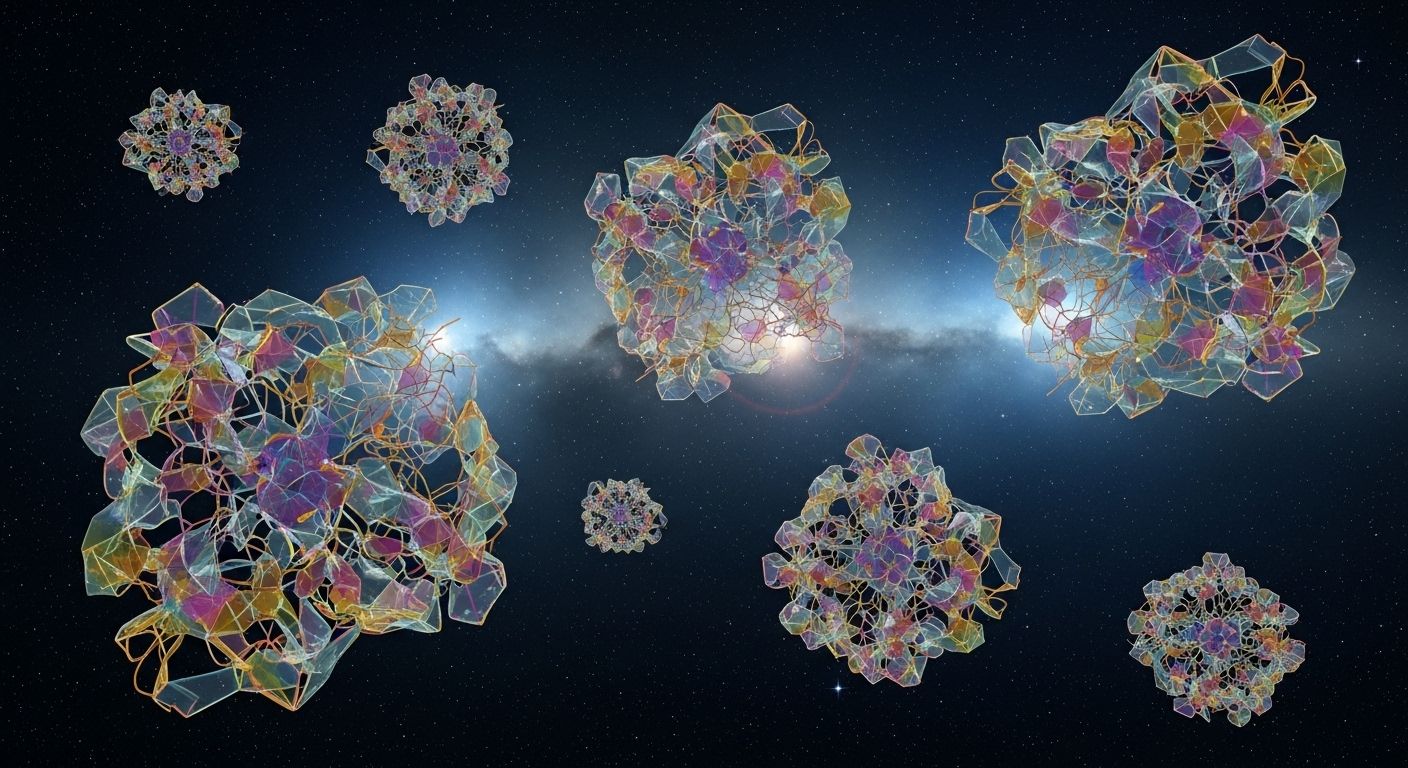
Ever looked at a biology textbook and thought, “Blimey, DNA’s just the start?” You’re dead right. If genomics is the script, then the meaning of proteomics is the whole bloody play—complete with costumes, lighting cues, and actors who keep changing roles mid-scene. In plain English (the UK kind, with extra tea and existential dread), proteomics is the large-scale study of proteins: what they are, how they behave, where they go, and why they matter [[1]]. It’s not just about listing them like a pub menu—it’s about understanding how they dance together in the chaos of life.
Breaking It Down: A Simple Definition of “meaning of proteomics”
At its core, the “meaning of proteomics” boils down to this: it’s the scientific effort to identify, quantify, and characterise all the proteins in a biological system—be it a single cell, a tissue, or an entire organism—at a given time [[4]]. Unlike your genome, which stays mostly static, your proteome shifts constantly: after a pint, during a fever, or even when you’re stressed about your Wi-Fi dropping. That dynamism? That’s why proteomics is both maddening and magnificent.
What Best Describes Proteomics? Let’s Get Poetic
If genomics tells you what *could* happen, proteomics tells you what *is* happening. The “meaning of proteomics” is best described as the real-time molecular biography of a living thing. It captures post-translational modifications, protein interactions, degradation rates, and spatial localisation—details that DNA alone can’t whisper. As one Cambridge researcher put it over lukewarm coffee: “Genes are the dream. Proteins are the hangover.” And honestly? We need both to understand disease, drug response, or why your dog sheds more in February.
From “Proteome” to “Proteomics”: What’s the Diff?
Hold up—before we dive deeper, let’s clarify terms. The proteome is the complete set of proteins expressed by a genome under specific conditions. Think of it as a snapshot. The “meaning of proteomics,” meanwhile, is the methodology used to take that snapshot—and develop it, frame it, and maybe even write a haiku about it [[6]]. One’s the noun; the other’s the verb. One’s the cake; the other’s the baking, icing, and slightly burnt edges that make it human.
Real-World Examples Where “meaning of proteomics” Changes Lives
You might think proteomics lives only in labs with £500k mass spectrometers, but nah—it’s already in your GP’s office. For instance, in cancer diagnostics, proteomic profiling helps distinguish aggressive tumours from slow-growers, guiding treatment without guesswork. During the pandemic, UK researchers used proteomics to track how SARS-CoV-2 hijacked human proteins—leading to faster drug repurposing [[9]]. Even in agriculture, scientists tweak crop proteomes to boost drought resistance. So yeah, the “meaning of proteomics” isn’t abstract—it’s in your medicine, your food, and your future.
By the Numbers: Stats That Show Why Proteomics Matters
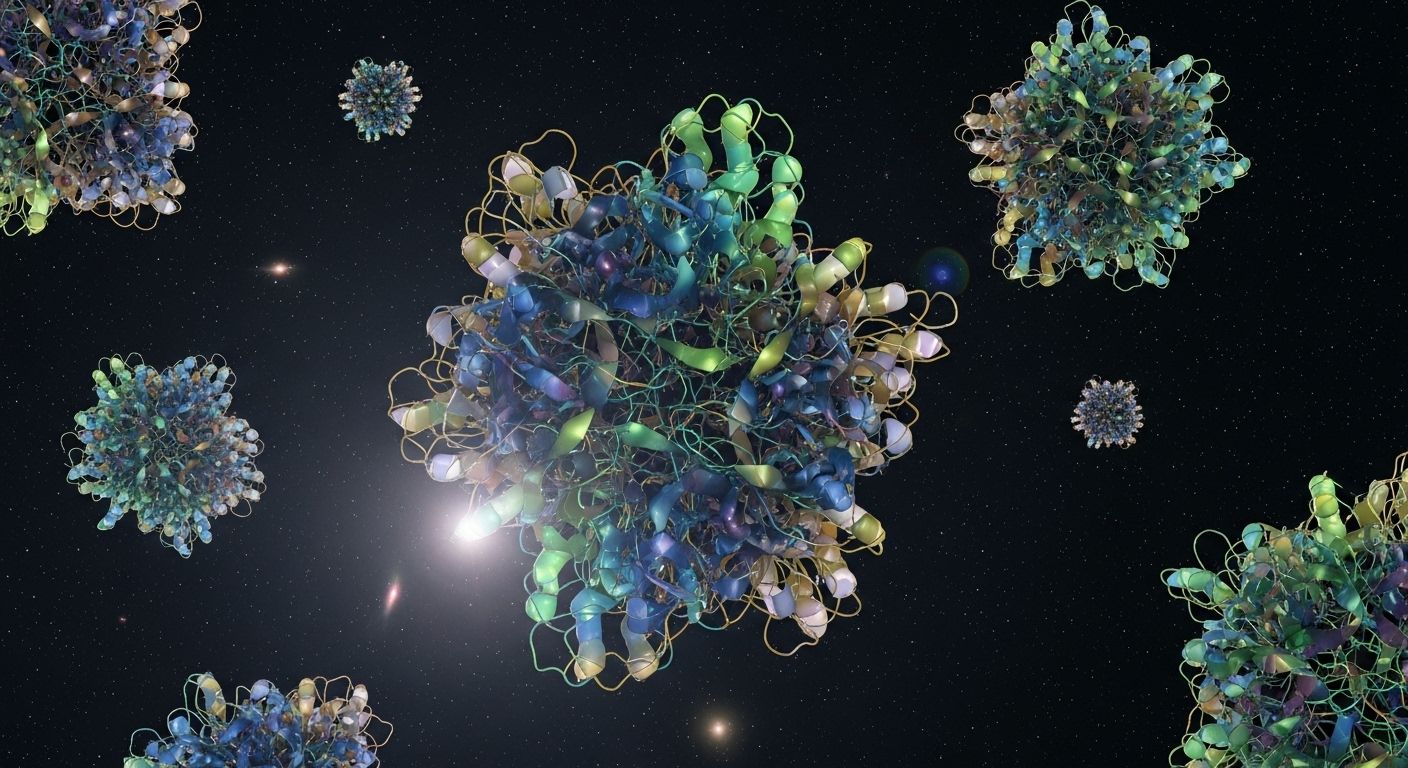
Let’s get quantitative for a mo’. The human genome codes for ~20,000 genes—but thanks to alternative splicing and modifications, the human proteome likely contains over 1 million distinct protein forms [[5]]. Meanwhile, the global proteomics market hit £8.2 billion in 2024 and’s projected to grow at 14% annually [[7]]. Here’s a quick glance at key metrics:
| Aspect | Detail |
|---|---|
| Estimated human proteoforms | >1,000,000 |
| Avg. cost per proteomic sample (UK) | £120–£350 |
| % of clinical trials using proteomics (2024) | 38% |
| Time to process one sample (modern platforms) | 4–12 hours |
Not just academic navel-gazing—this is precision medicine in motion.
Common Misconceptions About the “meaning of proteomics”
Right, let’s bust some myths. First: proteomics ≠ just protein identification. It’s about function, interaction, and dynamics. Second: it’s not only for humans—yeast, plants, even pond scum get the proteomic treatment. Third: no, your 23andMe kit doesn’t cover this. Genomics gives you ancestry; proteomics might tell you why you react to penicillin or crave Marmite at 3 a.m. And finally—despite the jargon—it’s becoming more accessible. Cloud-based analysis and open-source tools mean even small uni labs can join the party [[11]].
Why the NHS Cares Deeply About “meaning of proteomics”
In the UK, the National Health Service is quietly betting big on proteomics. Projects like the ProteomeUK Initiative aim to integrate protein data into routine diagnostics by 2030 [[8]]. Imagine walking into your GP with fatigue, and instead of six months of tests, a single blood draw reveals a protein signature pointing straight to early-stage lupus or thyroid dysfunction. That’s the promise. And with NHS budgets tighter than a drum, catching diseases earlier via proteomics could save millions in long-term care. It’s not sci-fi—it’s fiscal sense wrapped in science.
Tools of the Trade: How Scientists Actually Do Proteomics
So how do you map something as slippery as the proteome? Mainly through mass spectrometry—a technique that ionises proteins, flings them through magnetic fields, and reads their mass-to-charge ratios like cosmic barcodes. Paired with liquid chromatography and AI-driven databases, it’s become shockingly precise. Newer methods like SWATH-MS allow reproducible, large-scale studies across hundreds of samples [[10]]. And don’t forget antibody arrays or proximity extension assays—cheaper, faster options for targeted questions. The “meaning of proteomics” isn’t one tool; it’s a whole orchestra of tech playing in tune.
Where to Go If You’re Hooked on the “meaning of proteomics”
If your brain’s buzzing with protein possibilities, why not start at the source? Jennifer M Jones breaks down complex science without dumbing it down. Fancy exploring how proteomics fits into broader scientific fields? Dive into Fields for cross-disciplinary context. And if you’ve ever wondered how to cite all this properly in your thesis, don’t miss our guide: meaning et al citation made simple—because even Nobel winners mess up their references sometimes.
Frequently Asked Questions
What is the simple definition of proteomics?
The simple definition of proteomics is the large-scale study of proteins—their structures, functions, interactions, and modifications—to understand biological processes. This “meaning of proteomics” goes beyond mere cataloguing to reveal dynamic cellular activity [[1]].
What best describes proteomics?
What best describes proteomics is that it’s a functional and dynamic snapshot of all proteins in a biological system at a given time, reflecting real-time physiological states—making the “meaning of proteomics” central to precision medicine and systems biology [[4]].
What is a simple definition of proteome?
A simple definition of proteome is the entire set of proteins produced or modified by an organism or system under specific conditions. The “meaning of proteomics” builds upon this concept by analysing and interpreting the proteome [[6]].
What are examples of proteomics?
Examples of proteomics include identifying cancer biomarkers in blood serum, mapping protein changes during viral infection, or engineering drought-resistant crops by analysing stress-response proteins—all rooted in the practical “meaning of proteomics” [[9]].
References
- https://www.nature.com/scitable/topicpage/proteomics-14121634/
- https://www.sciencedirect.com/topics/biochemistry-genetics-and-molecular-biology/proteomics
- https://www.genome.gov/genetics-glossary/Proteomics
- https://www.britannica.com/science/proteomics
- https://www.proteomexchange.org/
- https://www.ncbi.nlm.nih.gov/pmc/articles/PMC3078831/
- https://www.marketsandmarkets.com/Market-Reports/proteomics-market-582.html
- https://www.ukri.org/news/new-uk-proteome-initiative-launched/
- https://www.thelancet.com/journals/lanonc/article/PIIS1470-2045(23)00456-7/fulltext
- https://www.sciencedirect.com/science/article/pii/S1874391922000456