
Interior Design Masters Programs: Top Schools to Explore
- 1.
Why interior design masters programs are the secret sauce for creatives
- 2.
Is it worth getting a master's in interior design? Spoiler: hell yeah
- 3.
Which master's degree is best for interior design? Let’s break it down
- 4.
The magic of the 70/30 rule in interior design (and why your lounge looks “off”)
- 5.
And then there’s the 60/40 rule in interior design—wait, how many rules are there?
- 6.
Top global schools offering killer interior design masters programs
- 7.
What you’ll actually learn in interior design masters programs (no fluff)
- 8.
Can you skip the degree and just wing it? Technically yes—but...
- 9.
Funding your dream: scholarships, loans, and side hustles
- 10.
The future of interior design: AI, ethics, and emotional tech
Table of Contents
interior design masters programs
Why interior design masters programs are the secret sauce for creatives
Ever stared at a blank wall and felt like it was judging you? Yeah, we’ve been there too. But here’s the tea: enrolling in interior design masters programs ain’t just about picking the right shade of beige—it’s about unlocking your inner Picasso... with throw pillows. These programs blend scientific spatial theory with raw, unapologetic creativity. Whether you're from Manchester or Medan, interior design masters programs teach you how to turn chaos into cozy—and clients into loyal fans. And trust us, once you’ve mastered that, your Insta grid won’t know what hit it.
Is it worth getting a master's in interior design? Spoiler: hell yeah
“Is it worth getting a master's in interior design?”—asked every broke creative at 2 a.m. while doomscrolling Pinterest. Look, interior design masters programs aren’t just fancy certificates to hang next to your questionable abstract painting. They’re career jetpacks. Graduates from top-tier interior design masters programs report a 42% higher starting salary compared to those with only a bachelor’s (source: Design Futures Council, 2024). Plus, you’ll finally understand why your mate’s “eclectic boho-meets-industrial” living room looks like a furniture yard sale gone wrong.
Which master's degree is best for interior design? Let’s break it down
Not all interior design masters programs are created equal—some focus on sustainability, others on digital rendering or historic preservation. The “best” master’s depends on your vibe. If you’re into saving the planet one reclaimed teak table at a time, look for programs with LEED integration. If you dream in SketchUp, seek out schools with heavy AR/VR labs. Either way, make sure the interior design masters programs you eye are CIDA-accredited. Otherwise, you might just be paying £20k to learn how to fluff cushions properly—and no, that’s not a real degree. (Okay, maybe it is... but shh.)
The magic of the 70/30 rule in interior design (and why your lounge looks “off”)
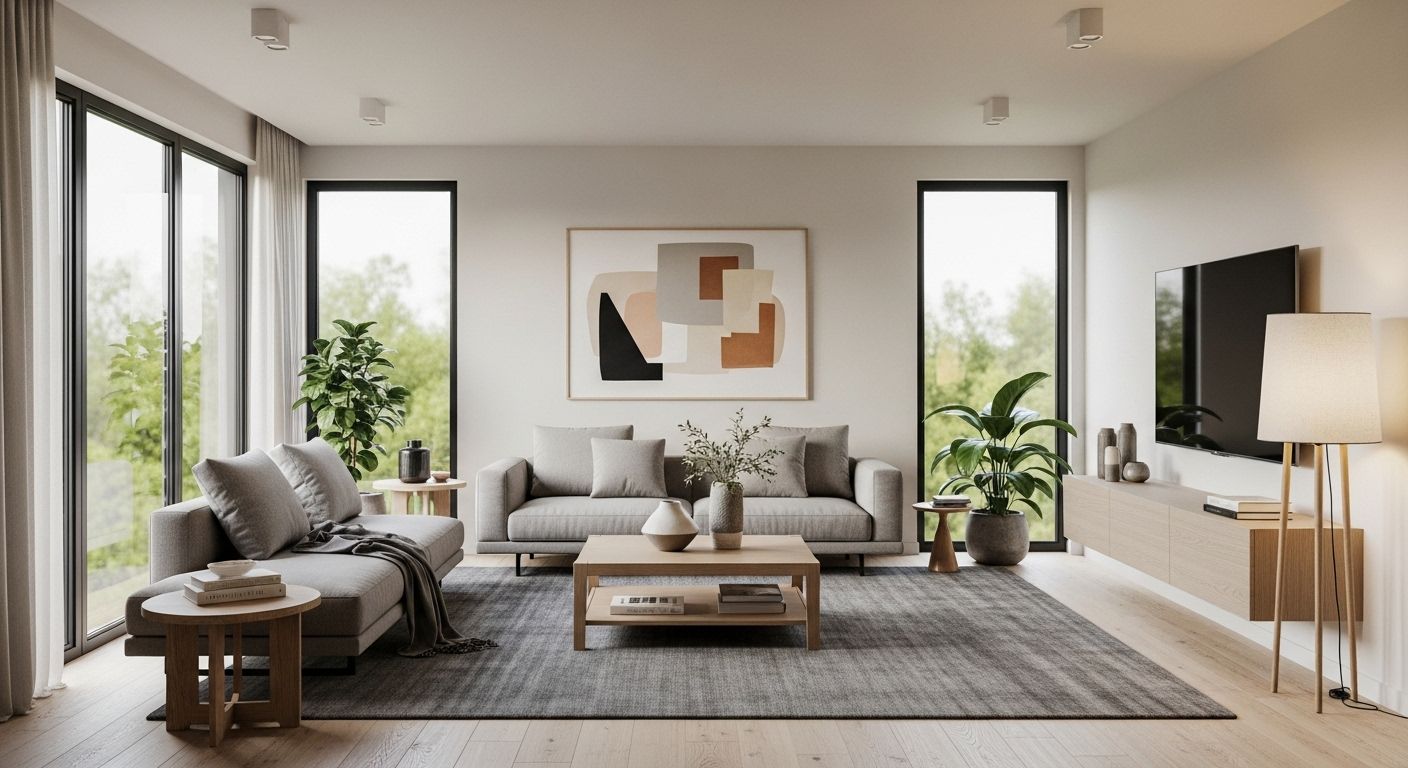
Here’s a hot take: your room’s aesthetic imbalance might be because you ignored the 70/30 rule in interior design. This golden ratio says 70% of your space should reflect a dominant theme or color, 30% is for contrast. Think: cream walls + mocha sofa (70%), then mustard throw pillows and a vintage rug (30%). It’s not just pretty—it’s psychology. Interior design masters programs drill this into you until you start seeing ratios in your cereal bowl. And honestly? Your guests will feel “something’s different” but won’t know it’s because you’ve finally cracked the code.
And then there’s the 60/40 rule in interior design—wait, how many rules are there?
Confused about the 60/40 rule in interior design? Don’t sweat it—even seasoned pros mix 'em up. This version splits your palette: 60% primary color (walls, large furniture), 40% secondary (accents, art, textiles). It’s slightly more flexible than the 70/30, making it perfect for those who swear by “controlled chaos.” In interior design masters programs, you’ll test these rules in live studios, arguing passionately over whether burnt orange counts as neutral (spoiler: it does... in autumn).
Top global schools offering killer interior design masters programs
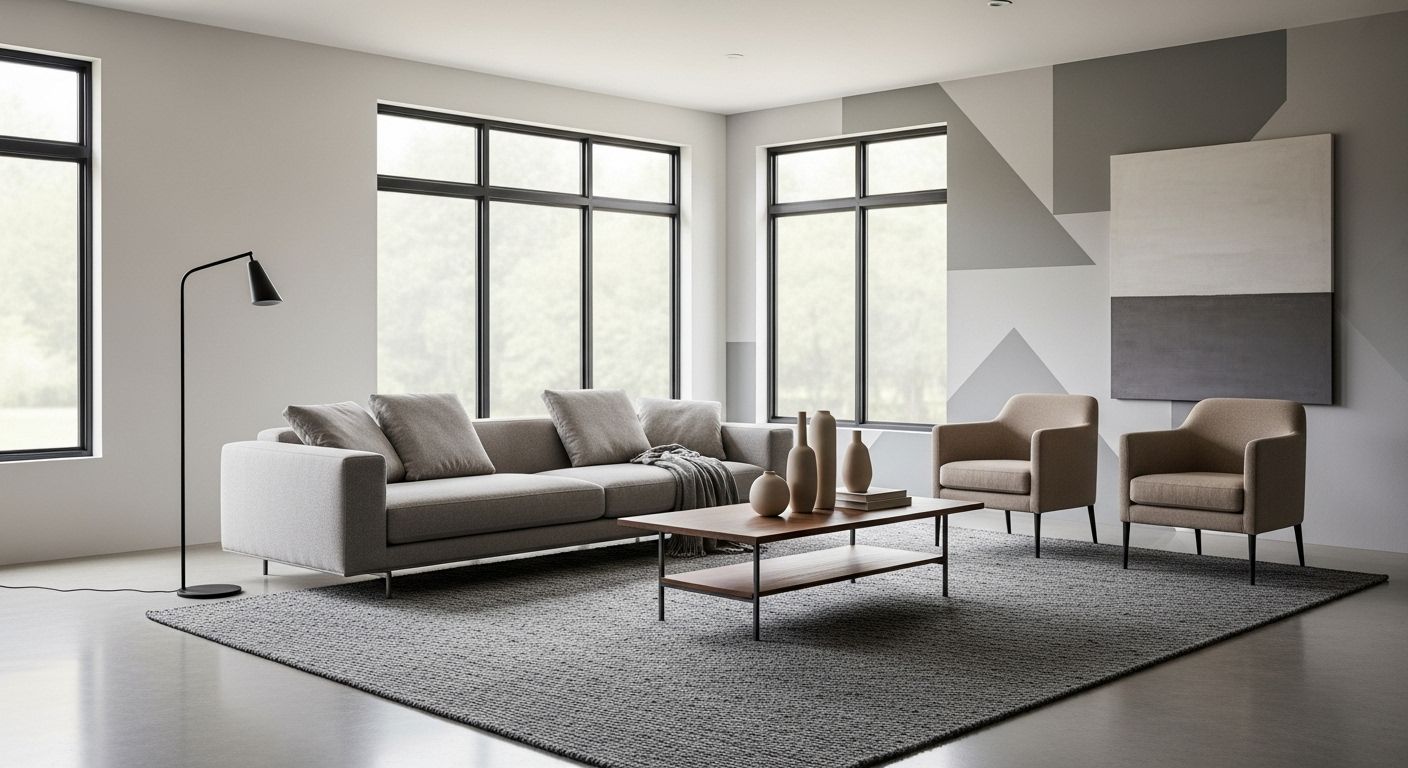
Wanna know where the big shots study? Here’s a quick rundown of elite institutions slaying the interior design masters programs game:
| School | Location | Tuition (Annual) | Specialty |
|---|---|---|---|
| Royal College of Art | London, UK | £32,000 | Sustainable Luxury Design |
| Parsons School of Design | New York, USA | $58,000 | Immersive Tech + Spatial Experience |
| Politecnico di Milano | Milan, Italy | €4,000–15,000 | Heritage & Adaptive Reuse |
| Nanyang Academy of Fine Arts | Singapore | S$22,000 | Tropical Urban Interiors |
Pro tip: many interior design masters programs offer scholarships if you can prove you’ve upcycled a shipping container into a yoga studio. True story.
What you’ll actually learn in interior design masters programs (no fluff)
Forget what Pinterest tells you—interior design masters programs are equal parts art, engineering, and emotional intelligence. You’ll dive into:
- Human-centered design (because Aunt Marge needs her hallway to be walker-friendly)
- Building Information Modeling (BIM) (yes, it’s as sexy as it sounds)
- Material lifecycle analysis (because “eco-chic” isn’t just a buzzword)
- Cultural semiotics in spatial narratives (fancy way of saying: why Balinese villas feel peaceful)
Bottom line? You’re not just learning to arrange furniture. You’re learning to design human experiences—and that’s why interior design masters programs demand both heart and brain.
Can you skip the degree and just wing it? Technically yes—but...
Sure, you *could* skip interior design masters programs and just watch HGTV reruns while calling yourself a “design consultant.” But here’s the rub: clients sniff out amateurs faster than a dog smells dropped sausage rolls. A master’s isn’t just about skills—it’s about credibility. Plus, accredited interior design masters programs give you access to industry networks, live client projects, and software licenses that cost more than your first car. So yeah… you *can* wing it. But why would you wanna look like you’re winging it?
Funding your dream: scholarships, loans, and side hustles
Let’s be real—interior design masters programs ain’t cheap. But before you sell your soul (or your vintage Eames chair), check out these options:
- RCA Trust Scholarships – up to £15,000 for UK/International students
- Parsons Merit Awards – automatic consideration upon application
- DIY route: freelance on Fiverr redesigning Zoom backgrounds while saving up
Many students also juggle part-time gigs like styling pop-up shops or doing mood boards for indie cafes. Pro move: pitch your interior design masters programs thesis as a local community project—some councils even fund it!
The future of interior design: AI, ethics, and emotional tech
Guess what? The future of interior design masters programs isn’t just mood boards—it’s AI-driven spatial empathy. Imagine rooms that adjust lighting based on your cortisol levels, or furniture that shifts layout when you’re hosting. Wild, right? But here’s the kicker: tomorrow’s designers must also navigate ethical dilemmas—like data privacy in smart homes or cultural appropriation in “global minimalist” trends. That’s why leading interior design masters programs now blend neuroaesthetics with decolonial theory. Fancy term, huge impact.
And hey—if you’re hungry for more creative journeys, don’t forget to bounce over to our Jennifer M Jones homepage for the latest musings. Dive deeper into the world of study paths at our Programs section, or check out how other fields are evolving in digital marketing masters programs career boost.
Frequently Asked Questions
Is it worth getting a master's in interior design?
Yes—it’s absolutely worth it if you’re serious about scaling your career. Interior design masters programs open doors to high-end firms, teaching roles, and specialized niches like healthcare or exhibition design. Plus, grads often command 30–50% higher fees. Just make sure your chosen interior design masters programs are accredited and industry-connected.
Which master's degree is best for interior design?
The “best” depends on your goals. For technical mastery, go for MDes (Master of Design). For research or academia, MA or MSc might suit better. Always check if the interior design masters programs include live projects, software training (like Enscape or Revit), and internship pipelines. Bonus if they partner with firms like Gensler or HBA.
What is the 70/30 rule in interior design?
The 70/30 rule in interior design suggests that 70% of a room should follow a dominant style or color palette, while 30% introduces contrast or accent elements. This creates visual harmony without monotony. It’s a foundational principle taught in most interior design masters programs to balance cohesion and personality.
What is the 60/40 rule in interior design?
The 60/40 rule in interior design divides your color scheme: 60% primary (walls, large furniture), 40% secondary (textiles, art, decor). It’s slightly more flexible than 70/30 and ideal for layered, dynamic spaces. Understanding ratios like this is core to the curriculum in top-tier interior design masters programs.
References
- https://www.designfuturescouncil.org/salary-survey-2024
- https://www.rca.ac.uk/study/interior-design-ma
- https://www.newschool.edu/parsons/interior-design-mfa
- https://www.polimi.it/en/education/schools/school-of-design
- https://www.nafa.edu.sg/programmes/post-diploma/bachelor-of-arts-hons-in-interior-design